A well-maintained garage door commonly lasts 20 to 30 years; springs are rated for roughly 7 to 12 years in most homes, and openers typically run 10 to 15 years. This garage door maintenance checklist for homeowners covers the routine checks that help you spot wear before it affects daily operation. Lubricating moving parts every six months is one useful place to start.
It’s easy to notice your garage door only when it gets noisy or moves unevenly. Regular maintenance helps you spot changes early and distinguish routine upkeep from repairs that need a professional. This garage door maintenance checklist for homeowners covers what to lubricate and inspect, how to check balance and safety features, and what the expected lifespans of the door, springs, and opener can tell you. Follow the steps below, and know when to stop and arrange professional service.
Key Takeaways
- Use the right lubricant on moving parts, and keep the tracks clean and dry to support smooth operation.
- A balance check can reveal when a door’s springs need professional adjustment, but spring repairs aren’t a DIY task.
- Inspect panels, rollers, weather seals, cables, and safety sensors for visible wear or signs the door isn’t operating normally.
- Door, spring, and opener lifespans differ, so changes in movement, noise, or reliability can help signal when repair or replacement may be needed.
Lubricating moving parts
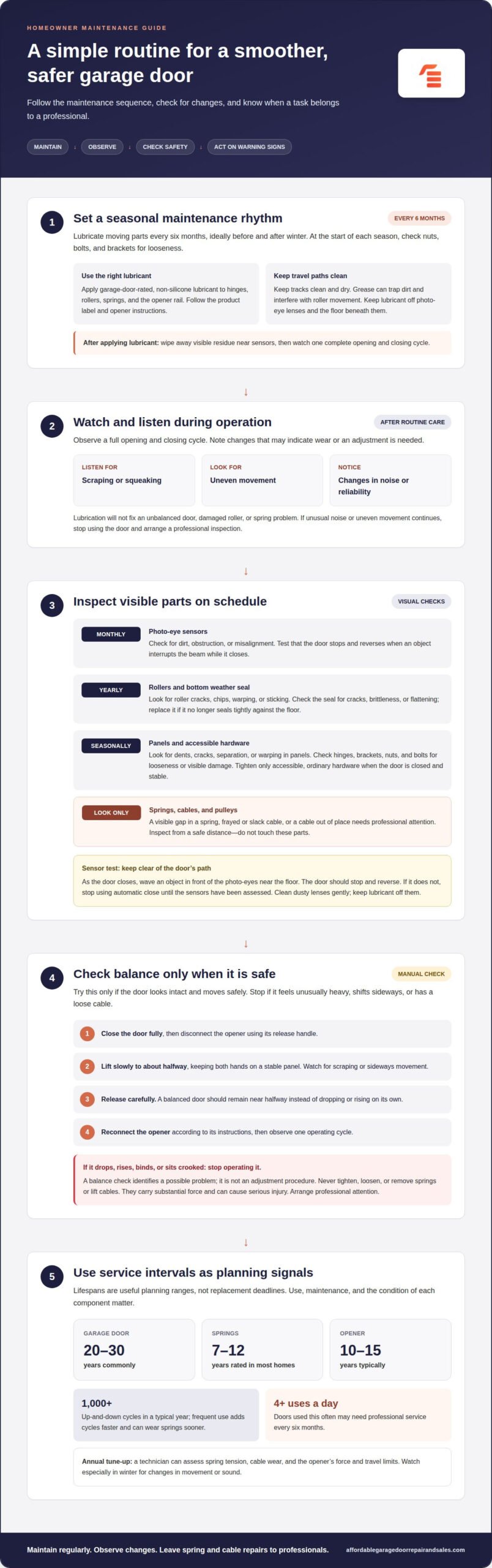
Lubricate the moving parts every six months, ideally before and after winter. Use this seasonal routine to check the hardware and listen for changes while the door operates.
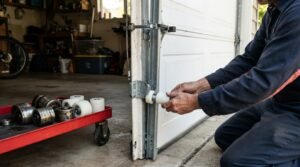
- Apply garage-door-rated, non-silicone lubricant to hinges, rollers, springs, and the opener rail. These parts move during each cycle, and suitable lubrication helps reduce friction.
- Use the lubricant according to its label, applying it to the moving surfaces rather than coating the entire assembly. A controlled application limits residue that can collect dust.
- Keep the tracks clean and dry instead of greasing them. Grease can trap dirt along the travel path and interfere with smooth roller movement.
- At the start of each season, inspect nuts, bolts, and brackets for looseness. Tight hardware helps keep the door’s components aligned during operation.
- Watch one complete opening and closing cycle after maintenance. Listen for scraping, squeaking, or uneven movement that may signal wear or a needed adjustment.
- Check the garage door opener rail as part of the lubrication routine. Follow the opener’s instructions, since rail designs and lubrication needs can differ.
Keep lubricant away from the photo-eye sensors and the floor beneath them. Residue on the lenses can obstruct the beam and affect the door’s response. Wipe away any visible residue nearby, then test normal operation with the opener controls. Lubrication won’t fix an unbalanced door, damaged roller, or spring problem. If the door still moves unevenly or makes unusual noise after routine care, stop using it and arrange a professional inspection. Don’t adjust or remove springs yourself. They store substantial force and can cause serious injury.
Testing door balance
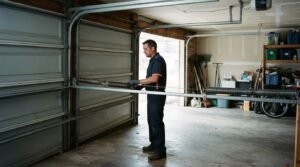
A balanced door should stay near halfway when lifted manually. This check can reveal uneven spring tension before the opener has to work harder. Try it only if the door looks intact and moves safely. Stop if it feels unusually heavy, shifts sideways, or has a loose cable.
- Close the door fully, then disconnect the opener using its release handle. This separates the door from the powered system for a manual check.
- Lift the door slowly to about halfway, keeping both hands on a stable panel. The tracks guide its movement, so watch for scraping or a sideways shift.
- Release the door carefully once it reaches halfway. A properly balanced door should remain in place rather than dropping or rising on its own.
- Reconnect the opener after the test, following its operating instructions. Run one cycle and observe whether the door is running smoothly.
If the door slides down or shoots upward, it may have a balance problem. The springs may not provide enough tension to support its weight, making the opener work harder and the door move unevenly. A balance test helps identify a problem, but it is not an adjustment procedure.
Never tighten, loosen, or remove torsion springs or lift cables. These components carry substantial force, and handling them can cause serious injury. Don’t try to correct the balance by changing spring tension, moving cables, or forcing the door along its tracks. If it drops, rises, binds, or sits crooked, stop operating it and arrange professional attention. A technician can assess spring tension and related hardware, then determine the appropriate repair. If inspection reveals damaged cables, garage door cable replacement addresses that specific problem.
Visual inspection of door panels and hardware
A visible gap in a spring, a frayed cable, or a door hanging unevenly signals a problem that needs professional repair. Inspect these parts from a safe distance, but don’t touch springs, cables, or pulleys: they carry force.
- Look over each panel for dents, cracks, separation, or warping. Damage can affect how the door travels through its tracks.
- Inspect rollers yearly for cracks, chips, warping, or sticking. Damaged rollers can prevent the door from moving smoothly.
- Check hinges, brackets, and other visible hardware for looseness or damage. Include these points in seasonal checks, and tighten only accessible, ordinary hardware when the door is closed and stable.
- Examine the bottom weather seal yearly for cracks, brittleness, or flattening. Replace it if it no longer forms a tight seal against the floor—and if uneven settling or cracked slabs prevent a flush fit, contractors like Foundation Werks can repair damaged concrete along the threshold.
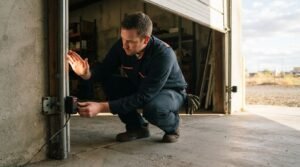
- Check the photo-eye sensors monthly for dirt, obstruction, or misalignment. The door should stop and reverse when an object interrupts the beam while it closes.
- Visually inspect cables and pulleys without touching them. Fraying, slack, or a cable out of place calls for professional attention.
To test the sensors, start closing the door and wave an object in front of the photo-eyes near the floor. The door should stop and reverse. Keep your hands and feet clear of its path. If it fails to reverse, stop using the automatic close function until the sensors have been assessed.
If dust blocks the beam, gently clean the sensor lenses and repeat the test. Keep lubricant off the lenses, as residue can interfere with sensing. A door that binds, sits crooked, or comes off its track needs more than a visual check. Stop operating it and arrange professional repair. Don’t try to adjust a broken spring or damaged cable by tightening or repositioning it.
Garage door, spring, and opener lifespans
A maintained garage door commonly lasts 20 to 30 years. Springs are rated for roughly 7 to 12 years in most homes, while openers typically run 10 to 15 years. These are useful planning ranges, not replacement deadlines; use, maintenance, and the condition of each component matter.
A typical garage door cycles up and down more than a thousand times a year. Frequent use adds cycles faster and can wear springs sooner. Doors used four or more times a day may need professional service every six months. An annual tune-up can assess spring tension, cable wear, and the opener’s force and travel limits.
Winter is a practical time to watch for changes in how the door moves or sounds. If it starts reversing unexpectedly, moving unevenly, or straining the opener, arrange an assessment rather than waiting based on the door’s age. Disconnecting the opener doesn’t make spring or cable work safe for homeowners.
Homeowners can safely clean the door, inspect visible panels and hardware, lubricate suitable moving parts, and test the safety sensors. Spring adjustments, lift-cable work, and repairs to an off-track door require professional service. Springs and cables remain under force even when the opener is disconnected.
Warranty conditions depend on the warranty document, while home insurance coverage depends on the policy wording and the circumstances of the damage. Review both for maintenance requirements, exclusions, and recordkeeping terms. Keep service receipts and inspection notes for your records.
For a broken or worn spring, arrange professional spring repair rather than attempting an adjustment. A technician can assess the spring and the door’s operation before recommending the appropriate work.
Affordable Garage Door Repair & Sales: Sectional & Roll-Up Doors
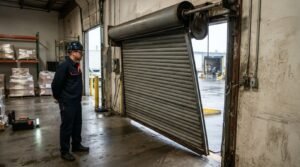
Affordable Garage Door Repair & Sales LLC repairs and replaces garage door springs and openers, and services sectional and roll-up doors. If your inspection reveals a damaged spring or an opener that needs replacement, the company can help.
Spring problems and opener faults can affect how safely and reliably a door operates. Leave spring adjustments to a professional, and arrange service if the door feels unusually heavy, moves unevenly, or won’t open properly. If the opener no longer operates the door as expected, replacement may be the right next step.
When you contact Affordable Garage Door Repair & Sales LLC, describe what you’ve noticed, such as a broken spring or an opener that has stopped working. This helps clarify the repair needed.
Make your next maintenance step count
Make the garage door maintenance checklist for homeowners a regular routine, not a task you remember only after a problem appears. Note unusual sounds, changes in movement, and completed repairs. These details can help show what has changed when the door needs attention. If a check points to a spring or opener issue, leave mechanical repairs to a trained technician rather than attempting an adjustment. Taking a structured approach to home care also helps when planning larger domestic upgrades, where property maintenance specialists like Polkadot provide realistic timelines for interior renovations alongside routine upkeep.
Affordable Garage Door Repair & Sales LLC provides spring repair, broken spring repair, and opener replacement. Contact the team to discuss a door that needs repair or an opener that no longer works as expected.
Contact Affordable Garage Door Repair & Sales LLC to take the next step toward dependable door operation. Consistent attention and the right repair can help you care for your garage door with confidence.
Frequently Asked Questions
What should homeowners include in a garage door maintenance checklist?
A garage door maintenance checklist for homeowners should cover monthly visual and sound checks, seasonal lubrication and hardware reviews, safety-system tests, and an annual professional inspection. Record when the door hesitates, sounds different, or stops at a different point; dates and symptoms can reveal a pattern. Keep spring and cable repairs off the homeowner task list, even if the door still opens. A written record also helps you describe changes during a service visit.
How often should you inspect and maintain a residential garage door?
Inspect the door visually and listen during normal use every month, then test its safety systems monthly. Lubricate moving parts, review accessible hardware, and clean the tracks each season. Check rollers and the bottom seal yearly, and schedule a professional inspection once a year. Doors used four or more times a day may need professional service every six months because frequent cycles add use to moving components. A garage door maintenance checklist for homeowners can help keep these intervals organized.
How do you lubricate garage door rollers, hinges, springs, and tracks safely?
Apply a garage-door-rated lubricant to rollers, hinges, springs, and the opener rail, following the product and opener instructions. Apply a controlled amount to moving parts and wipe away excess that could collect dust. Keep tracks clean and dry rather than greasing them. Don’t apply extra lubricant to fix a sticking roller or damaged spring; stop and arrange professional attention.
How do you test garage door auto-reverse and photo-eye safety sensors?
Test the photo-eyes monthly by interrupting their beam near the floor while the door closes; the door should stop and reverse. For the contact test, place a 2×4 flat where the door lands and check that the door reverses when it touches the object. Keep clear of the moving door during both tests. If either test fails, contact a professional to troubleshoot the system.
How do you inspect garage door cables, springs, rollers, and tracks for wear?
Check rollers for cracks, chips, warping, or sticking, and look for visible dirt or damage on the tracks. From a safe distance, check for frayed or displaced cables and a visible gap in a spring. Don’t touch or attempt to repair cables or springs. If the door hangs unevenly, binds, or moves off its usual path, stop operating it and arrange a professional assessment.
How do you clean and maintain garage door tracks without damaging them?
Each season, wipe visible dirt from the tracks with a cloth, then keep them clean and dry. Avoid putting grease or lubricant inside the tracks, where residue can trap debris and affect roller movement. Don’t bend or realign a track if the rollers bind. If cleaning doesn’t resolve rough movement, arrange a professional assessment of the track and door alignment.