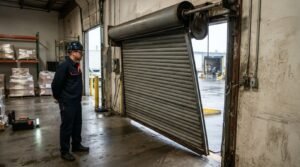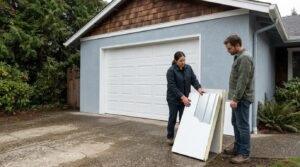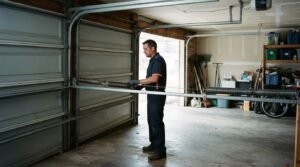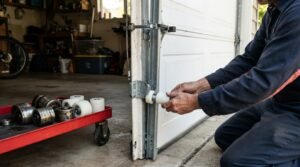
The rollers themselves aren’t the only thing that shapes the final bill. In the United States, the cost to replace garage door rollers is around $200 on the market, including parts and labor. The roller material, how many need replacing, and the condition of the door can all affect the total.
It’s reasonable to want a clear estimate before arranging a repair. This guide explains what affects the cost to replace garage door rollers, how roller types compare, how long they typically last, and which changes in operation may signal wear or damage.
You’ll also learn how labor and related door issues affect the work involved, so you can understand what a professional repair may include and when to have the door assessed.
Key Takeaways
- Roller material, the number needing replacement, and the door’s condition all affect the repair scope; nylon rollers tend to run more quietly than steel ones.
- Rollers typically last 3 to 7 years, with lifespan influenced by quality, material, and how often the door is used.
- Unusual noise, jerky movement, or visible roller wear can be signs that the door needs professional attention.
- Parts are only one part of the repair: labor and any related door issues can affect the work involved.
Garage Door Roller Cost Factors: What Affects the Price?
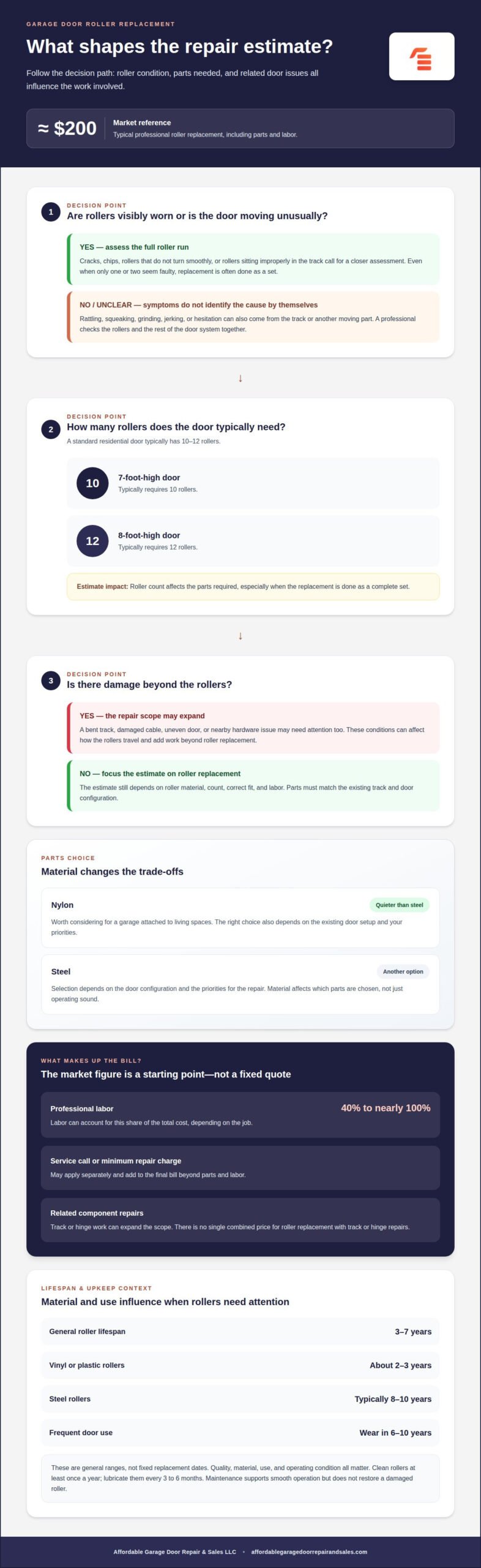
The number of rollers is one direct factor in a replacement estimate. A standard residential garage door typically has 10 to 12 rollers. A 7-foot-high door requires 10 rollers, while an 8-foot-high door requires 12. That difference affects how many parts the job needs, especially when the rollers are replaced as a set.
Material matters, too. Nylon rollers tend to be quieter than steel rollers, making them worth considering for a garage attached to living spaces. Steel is another option, but the right choice depends on the door’s existing setup and your priorities. Material affects the parts selected, not just the sound of the door.
Roller condition can affect the scope of the repair. Even if only one or two rollers appear faulty, replacement is often done as a set. A professional assesses the full run of rollers instead of treating one worn part as the whole problem. As a result, the estimate may cover a complete set rather than a single roller.
Fit is another cost factor. Garage door rollers come in different dimensions, so replacement parts need to suit the existing track and door. A mismatch can affect how smoothly the rollers travel. The technician considers the door’s configuration and the required roller size before selecting parts.
The track and nearby hardware can also affect the work. A bent track, damaged cable, or uneven door may need attention beyond the rollers. These issues can expand the repair scope because rollers need a functioning door system to move correctly. The estimate depends on the job: material, roller count, fit, and related damage all affect the work involved.
Roller lifespan and maintenance
Garage door rollers typically last 3 to 7 years, depending on quality, material, and use. This range is a general lifespan, not a fixed replacement date. A garage used several times each day puts its rollers through more cycles than one opened occasionally. The door’s weight, operating pattern, and roller condition help explain why two doors can need attention at different times. During a professional inspection, the technician evaluates visible wear and how smoothly the rollers track.
Roller material also affects expected service life. Vinyl or plastic garage door rollers last about 2-3 years under normal use. Steel garage door rollers have a typical service life of 8-10 years. These figures provide useful context, but material alone doesn’t determine when replacement is needed. A frequently used door may show wear differently from a door with lighter use. A technician considers the roller material alongside the door’s operating condition.
Regular maintenance helps limit wear. Garage door rollers should be cleaned and lubricated at least once a year. They should also be lubricated every 3 to 6 months to keep them running smoothly and reduce wear. These schedules mean lubrication can be part of routine upkeep, while an annual maintenance visit can include cleaning and a broader look at the door’s movement. Proper maintenance supports smooth operation, but it doesn’t restore a roller that is already damaged.
Use frequency deserves attention, too. With frequent garage door use, rollers can wear out in six to 10 years. If the door starts moving unevenly or making new noise, a professional can assess whether rollers need service or replacement. That assessment helps distinguish roller wear from a problem elsewhere in the door system. For professional sectional and roll-up door service, the roller condition and overall movement can be evaluated together.
Signs rollers need replacement
A garage door that suddenly rattles, squeaks, or grinds may have worn rollers, but sound alone doesn’t confirm the cause. Contact with the track or another moving part can also create noise. A professional listens as the door operates and checks whether the sound corresponds with roller movement. Tell the technician if the door sounds different from its usual steady operation.
Uneven travel is another warning sign. The door may jerk, hesitate, or move less smoothly during part of its opening cycle. Worn rollers can disrupt consistent movement along the track, but damage or misalignment elsewhere can cause similar symptoms. A technician assesses the rollers and track together to determine whether replacement is appropriate or another repair is needed.
Visible damage can make the need for an assessment clearer. A technician checks for cracked or chipped rollers, rollers that no longer turn smoothly, and rollers sitting improperly in the track. A loose or displaced roller can affect the door’s movement. The surrounding track and hardware matter, too, since nearby damage can contribute to the same problem.
Repeated sticking or uneven movement deserves attention, particularly when paired with grinding sounds or visible wear. Together, these clues can be more informative than any one symptom. A professional can determine whether the rollers are damaged, the track is contributing, or another part needs repair. For example, a cable problem can affect movement even when the rollers aren’t the main cause. A careful assessment helps define the repair and avoid treating a symptom instead of the underlying fault.
Average garage door roller replacement cost
On the market, professional roller replacement typically costs around $200, including parts and labor. The final estimate depends on the work involved, not just the number of rollers.
Replacement Cost Overview
A market figure can offer a starting point for budgeting a professional replacement, but materials are only part of the total. Labor also contributes to the completed repair, and the estimate can vary with roller type, door configuration, and the condition of related components. If the track or hinges need attention, that work expands the scope. There is no single combined price for roller replacement with track or hinge repairs.
DIY and Professional Replacement
Professional labor can account for 40% to nearly 100% of the total cost, depending on the job. A service call or minimum repair charge may also apply separately, so it can add to the final bill beyond parts and labor.
Garage door rollers support a moving door, so replacing them involves more than fitting parts. A shifting door or another component under tension can make the work hazardous. Professional replacement includes assessing the door and related hardware rather than treating the rollers as an isolated component.
Roller Count and Replacement
A standard residential garage door typically has 10 to 12 rollers. A 7-foot-high door requires 10 rollers; an 8-foot-high door requires 12. Rollers are usually replaced as a set, even when only one or two are faulty. Replacing them together can address wear across the door instead of leaving older rollers in service beside new ones.
When track damage or worn hinges accompany roller problems, the estimate reflects those extra repairs. The price depends on the case and is given after a quote request; parts, labor, and related damage affect the total. Request a garage door repair quote to discuss the work involved.
Affordable Garage Door Repair & Sales: Sectional & Roll-Up Doors
Affordable Garage Door Repair & Sales LLC repairs sectional and roll-up doors and addresses problems that affect reliable operation. If roller concerns come with a door that won’t open, an off-track issue, or another mechanical fault, a professional assessment can identify the repair needed. The company also provides spring repair and opener replacement for related problems.
Describe what you’ve noticed, such as unusual movement, noise, or a door that no longer operates properly. These details help explain the issue and guide the next step. Contact Affordable Garage Door Repair & Sales LLC to discuss your garage door concern.
Take the Next Step Toward Reliable Door Operation
Use the estimate as a starting point, then consider the condition of the whole door. A clear description of changes in movement, sound, or operation can help frame the repair discussion. The cost to replace garage door rollers is easier to understand alongside the door’s overall performance, rather than as an isolated parts expense.
If your door has stopped operating smoothly, a professional assessment can help identify the cause and the appropriate repair. Affordable Garage Door Repair & Sales LLC also handles spring repair, broken spring repair, and opener replacement when those issues affect garage door operation.
Contact Affordable Garage Door Repair & Sales LLC to discuss your garage door concerns and consider the next step with confidence.
Frequently Asked Questions
How much does it cost to replace garage door rollers?
On the broader U.S. market, professional roller replacement averages around $200, including parts and labor. Treat that as a general benchmark, not an estimate for every door. The cost to replace garage door rollers can vary with the parts selected and the repair scope. A written estimate should distinguish roller replacement from any additional work needed on the door.
What is the average labor cost to replace garage door rollers?
Labor charges depend on the time required and how the job is priced. Work may involve replacing a complete set, assessing the door’s movement, or addressing a related fault. A service-call or minimum-repair charge may also be separate from labor. These factors explain why labor can differ between jobs, even when both involve residential garage door rollers.
How much do replacement garage door rollers cost by material and type?
Roller material and bearing design affect which parts are selected. Nylon rollers tend to run more quietly than steel rollers, while sealed ball bearings are another design distinction. The market benchmark of around $200 refers to a complete professional replacement with parts and labor, not a price for every roller type. The door’s existing setup determines which replacement parts fit.
What factors affect the cost of garage door roller replacement?
The estimate reflects the replacement parts, labor, door configuration, and any additional repair work. A door that also needs track or nearby hardware repairs, for example, involves a broader scope than roller replacement alone. Similar operating problems can have different causes, so the technician’s findings matter. A clear estimate should distinguish the work that addresses the roller issue from separate repairs.
How long does garage door roller replacement take?
Appointment length depends on the number of rollers being replaced, access to the door, and whether related components need attention. A straightforward replacement has a different scope from a job involving track or hardware issues. Affordable Garage Door Repair & Sales serves Everett, Puyallup, Seattle, Tacoma, Auburn, Wenatchee, Yakima, Pasco, Ellensburg, and Spokane; scheduling logistics may affect the appointment window.
What are the signs that garage door rollers need replacing?
Watch for changes in the door’s movement and sound. A roller that appears cracked, sits unevenly, or doesn’t travel smoothly through the track may be worn. A door that hesitates at one point or develops a new rattling sound also deserves assessment. Cables, tracks, and openers can cause similar symptoms, so a technician can inspect the system and identify the source.