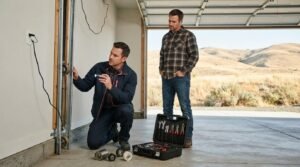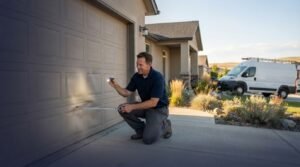
A standard residential garage door spring holds enough mechanical energy to lift hundreds of pounds instantly; it’s a coiled powerhouse that can become a lethal projectile if it snaps. Many homeowners see a broken spring as a simple weekend fix, but the reality is that the dangers of DIY garage door spring repair involve high-velocity metal and thousands of pounds of torque. It’s completely understandable to feel anxious when your car is trapped behind a door that won’t budge. You want a fast solution that doesn’t break the bank, and the temptation to handle it yourself is often strong.
We’re here to help you navigate this high-stakes situation safely. In this article, you’ll discover the life-threatening risks and financial pitfalls of attempting your own spring work. You’ll learn why professional service is the only safe choice for your home in 2026. We’ll break down the complex physics of torsion versus extension springs, evaluate the true cost of a DIY mistake, and show you how to find a dependable, affordable professional in Washington to get your door back on track.
Key Takeaways
- Understand how the extreme torque stored in torsion springs can lead to severe physical injury if handled without specialized winding tools.
- Identify the specific dangers of DIY garage door spring repair, including high-velocity lacerations and cranial trauma from failing components.
- Evaluate the financial risks of improper installation, which can cause expensive secondary damage to your opener motor and garage door cables.
- Learn why professional-grade steel components provide significantly better durability and safety than standard retail replacement parts.
- Discover how highly trained professionals across Washington offer 24/7 emergency assistance to safely resolve situations where your vehicle is trapped.
What Makes Garage Door Springs So Dangerous?
Garage door springs are essentially the muscles of your garage door system. While many people assume the opener does the heavy lifting, the springs actually perform the bulk of the work by counterbalancing the door’s immense weight. A standard residential garage door typically weighs between 150 and 400 pounds. Without functional springs, moving this mass would be nearly impossible for a standard motor or a human being. This mechanical assistance is what allows you to lift a heavy door with just one hand or a small electric motor.
The primary dangers of DIY garage door spring repair stem from the physics of potential energy. Torsion springs store energy by twisting, which creates a massive amount of torque. When a spring is wound, it’s like a tightly coiled snake waiting to strike. If a component fails or a tool slips during a repair attempt, it results in an uncontrolled release of spring tension that happens in milliseconds. This sudden discharge of energy can send metal fragments, winding bars, or the spring itself flying across the garage with lethal force.
Torsion Springs vs. Extension Springs
Understanding the difference between the two main spring types is vital for home safety. Torsion springs are mounted on a metal shaft directly above the door opening. They use specialized winding bars to tighten or loosen the coil. Because they hold the entire weight of the door in a single, high-tension unit, they are significantly more hazardous for amateurs to handle. Extension springs are typically mounted along the horizontal tracks. They store energy by stretching as the door closes. While they might look simpler, they can still snap and whip through the air if the safety cables are missing or installed incorrectly.
The Role of Cycle Life and Metal Fatigue
Most residential springs are manufactured to a 10,000-cycle standard, meaning they’re designed to open and close the door roughly ten thousand times before the metal fatigues. In the Pacific Northwest, environmental factors play a huge role in how quickly this happens. The high humidity found in cities like Seattle and Everett often accelerates rust, which creates weak points in the steel. Tensile strength refers to the maximum amount of pulling or stretching stress high-carbon steel can withstand before it permanently deforms or breaks. Once rust compromises this strength, the spring is a ticking clock. Highly trained professionals can identify these microscopic stress fractures before they lead to a catastrophic failure.
The Top Physical Risks of DIY Spring Replacement
The dangers of DIY garage door spring repair aren’t just theoretical; they manifest in real-world emergency room visits every year. When high-tension steel fractures under stress, it can create jagged shards. These metal projectiles move at high speeds, causing deep lacerations or puncture wounds that require immediate medical attention. Beyond the spring itself, the sheer weight of the door presents a constant threat of crush injuries that can happen in the blink of an eye.
One of the most frequent causes of severe injury involves the winding bars. These specialized tools are designed to manage the immense torque of a torsion spring. Amateurs often attempt to substitute these with screwdrivers or pliers. This is a critical error. If the makeshift tool slips, the spring unwinds with explosive force, often driving the tool directly into the operator’s face or head. To avoid these life-altering risks, it’s best to consult with highly trained professionals who have the correct safety equipment and experience.
Pinch points are another hazard that DIYers often overlook. These are the areas between the door panels, near the hinges, or around the rollers. If the door moves unexpectedly while your hands are in these zones, it can lead to severe crushing or finger amputations. A sudden drop of a 400-pound door is unforgiving. Common injuries seen in DIY attempts include:
- Lacerations from flying metal shards or snapping cables.
- Cranial trauma and facial fractures from tool kickback.
- Crush injuries to feet or hands from falling door panels.
- Finger amputations caught in panel pinch points.
The Danger of Improper Tools
Using the wrong equipment is a recipe for disaster. Professional winding bars are designed to fit the winding cone perfectly, ensuring a secure grip during the high-tension winding process. Household toolkits simply lack the specialized components needed for high-tension mechanics. When tension is released unexpectedly because of a slipping screwdriver, the resulting kickback can break wrists or hands before you can even react.
Falling Door Hazards
A garage door is a multi-ton trap if it’s not properly secured during maintenance. Removing a spring without locking the door in place can cause it to crash down without warning. This poses a massive threat to bystanders or pets who might wander into the garage. The Consumer Product Safety Commission has long highlighted the risks of entrapment and injury associated with garage door systems. If a door goes off-track during a botched repair, it becomes even more unstable, creating a hazardous environment for everyone nearby.
Beyond the Snap: Hidden Hazards and Secondary Damage
A common misconception about the dangers of DIY garage door spring repair is that the risk ends once the new part is physically installed. Even if you manage to avoid immediate injury, a poorly calibrated repair can trigger a chain reaction of mechanical failures. When a spring isn’t tuned to the exact weight of the door, the entire system becomes imbalanced. This imbalance places immense strain on the opener, the tracks, and the cables, often leading to repairs that are far more expensive than the original service call.
One critical mistake amateurs make is the “Double Spring” dilemma. Most residential doors use two springs that share the workload. When one snaps, the other has already endured the same amount of metal fatigue and is likely to fail within days or weeks. Replacing only one spring creates uneven tension, which pulls the door slightly sideways. This misalignment grinds against the tracks and puts a heavy amount of stress on the garage door cables. These components must be handled as a single unit to ensure the door operates safely and smoothly.
The Washington Weather Factor
Local environmental conditions in the Pacific Northwest significantly impact how springs behave. In cities like Spokane and Yakima, extreme temperature fluctuations cause high-carbon steel to expand and contract rapidly, which can lead to sudden fractures. Meanwhile, in the damp climates of Everett and Seattle, “invisible” rust often develops between the coils. This corrosion isn’t always visible from the ground, but it creates friction that weakens the metal over time. If your system is struggling with these conditions, you might notice odd sounds. Understanding Why Your Garage Door is Making Loud Noises can help you identify these early warning signs before a catastrophic failure occurs.
Opener Stripping and Motor Burnout
Your garage door opener is designed to guide the door, not to lift its full weight. When a DIY spring installation is even slightly off, the opener motor has to work ten times harder to compensate for the lack of counterbalance. This leads to motor burnout or stripped nylon gears inside the unit. Replacing an entire opener system is a major expense that can be avoided with a professional spring tune-up. Highly trained professionals use precise measurements to ensure the door is perfectly balanced, protecting your motor from premature failure and ensuring your home remains secure.

Professional Repair vs. DIY: A Financial Risk-Benefit Analysis
Many homeowners attempt a weekend repair to save money, but the dangers of DIY garage door spring repair often lead to much higher costs in the long run. A professional service call is a fixed, predictable expense. In contrast, the “cost of error” for a DIY project can be staggering. An emergency room visit for a laceration or a broken wrist can result in medical bills that dwarf a standard repair fee. When you factor in missed work and the potential for long-term injury, the perceived savings of a do-it-yourself approach quickly evaporate.
Parts quality is another area where amateurs lose money. Retail springs found at big-box stores are frequently manufactured with lower-grade steel and shorter cycle lives. These parts may only last a few years before failing again. When you hire highly trained professionals, you receive high-carbon, professional-grade steel components designed for longevity. These professional installations also come with warranty protection. If a part fails prematurely, the replacement is covered. A DIYer has no such safety net and must pay for new parts and tools every time something goes wrong.
Time is a valuable resource that is often overlooked in this analysis. A specialist can typically complete a spring replacement in about 30 minutes. An amateur often spends six hours or more struggling with tension settings and specialized tools. Your time is better spent on your own career or family rather than risking your safety in a high-stress environment for an entire Saturday.
The Value of a Comprehensive Safety Inspection
A professional technician does more than just swap a broken part. They perform a full system audit to identify issues that a homeowner might miss. This includes checking for worn rollers, frayed cables, and bearing plate wear. Catching these problems early during an Expert Broken Garage Door Spring Repair in Seattle prevents a second, more expensive failure later. Preventative maintenance stops the next repair before it happens, keeping your total cost of ownership low.
Insurance and Liability Risks
Insurance coverage is a critical factor that many homeowners ignore. Some homeowner’s insurance policies include exclusions for damage caused by “faulty workmanship” or unpermitted mechanical repairs. If a DIY spring installation fails and causes the door to crash onto a guest’s car or injure a neighbor, your insurance provider might deny the claim. This leaves you personally liable for thousands of dollars in property damage or legal fees. Choosing an affordable, professional service is a small price to pay to avoid a potential financial catastrophe.
Safe Solutions for Washington Homeowners: The Professional Path
When a spring snaps, it often happens at the worst possible time, such as when you’re leaving for work or returning home late at night. The dangers of DIY garage door spring repair are most acute during these moments of frustration. Instead of reaching for a toolkit, the safest path is to rely on professional 24/7 emergency service. Affordable Garage Door Repair & Sales provides this essential support across Washington, ensuring that homeowners from Everett to Spokane aren’t left stranded with a heavy, immobilized door.
If you discover a broken spring, the most important thing to do is stop. Don’t attempt to pull the red emergency release cord. If the door is in the up position, pulling this cord disconnects the door from the opener. Without the counterbalancing force of the spring, the door will crash down with hundreds of pounds of force. This is a primary hazard that leads to many of the crush injuries discussed in previous sections. Leave the door exactly as it is until help arrives.
Choosing a professional path provides the peace of mind that your door is balanced and safety-tested. Highly trained professionals don’t just replace a part; they restore the structural integrity of your entire entry system. This local expertise is vital for maintaining a functional home in the Pacific Northwest’s unique climate.
What to Expect During a Professional Spring Replacement
Highly trained professionals follow a methodical process to restore your door safely. This involves securing the door panels with locking pliers, carefully unwinding any remaining tension, and installing high-carbon steel springs. We calibrate the door so that it is perfectly balanced, allowing for effortless manual operation if you ever lose power. For those in Snohomish County, our 24/7 Garage Door Repair Services in Everett, WA provide rapid response times to mitigate risks immediately.
Get Your Free On-Site Estimate Today
We believe safety should be accessible to every homeowner. Our team offers free on-site estimates to help you make an informed decision without any upfront financial pressure. This transparency is part of our commitment to the Washington community, stretching from the coastal humidity of Seattle to the high-desert temperature swings of Yakima. Our regional offices ensure that a seasoned specialist is always nearby. You can Contact Affordable Garage Door Repair for a Free Safety Inspection today to ensure your home is protected by high-standard, resilient solutions.
Securing Your Home and Safety for the Future
Understanding the dangers of DIY garage door spring repair is the first step toward protecting your family and your property. While the desire to save money is understandable, the physical risks of high-tension torque and the potential for expensive motor burnout make professional intervention the only logical choice. A balanced, safety-tested door doesn’t just work better; it provides the peace of mind that your entry system is resilient against Washington’s demanding climate.
Affordable Garage Door Repair & Sales is your dependable partner for long-term functional results. We offer 24/7 emergency assistance to ensure you’re never trapped, and our highly trained professionals serve the entire state from Seattle to Spokane. By choosing expert care, you avoid the hazards of improper tools and inferior retail parts. Take the first step toward a safer, more efficient home by requesting your free on-site estimate today.
Schedule Your 24/7 Emergency Spring Repair Now and experience the quality of a high-standard service provider. We’re ready to help you restore stability to your daily routine.
Frequently Asked Questions
Can I open my garage door if the spring is broken?
Opening a garage door with a broken spring is extremely dangerous and generally not possible for a standard opener motor. Since the spring provides the counterbalance needed to lift the door’s 150 to 400-pound weight, attempting to open it manually or electrically puts massive strain on the system. You risk burning out the motor or having the door crash down unexpectedly. If you’re in Seattle or Everett and your car is trapped, it’s best to call for emergency assistance.
How do I know if my garage door spring is about to break?
You can identify a failing spring by looking for specific warning signs during a visual inspection. Common indicators include a visible gap between the coils, a loud “bang” coming from the garage, or a door that feels significantly heavier when operated manually. If the door moves unevenly or the cables appear loose, the spring is likely nearing the end of its cycle life. Residents in humid areas like Tacoma should watch for rust accumulation, which indicates metal fatigue.
Is it cheaper to replace both garage door springs at once?
Replacing both springs simultaneously is almost always the more cost-effective choice for Washington homeowners. Because springs are manufactured to the same cycle life standard, the second spring usually fails shortly after the first. By handling both during a single visit, you save on a second service call fee and ensure the door remains perfectly balanced. Highly trained professionals recommend this approach to prevent the dangers of DIY garage door spring repair associated with uneven tension.
What tools are required for a safe torsion spring replacement?
A safe torsion spring replacement requires specialized equipment that most homeowners don’t own. This includes professional-grade steel winding bars designed to fit the winding cone, heavy-duty locking pliers, and precise wrenches. Using makeshift substitutes like screwdrivers is a primary cause of the dangers of DIY garage door spring repair. Highly trained professionals also utilize safety cables and impact-resistant gear to manage the thousands of pounds of torque stored within the coils during the calibration process.
Can I just tighten a loose garage door spring myself?
Tightening a loose spring is just as hazardous as replacing a broken one because the component is still under extreme tension. Adjusting the torque requires precise movements with winding bars; a single slip can result in the spring unwinding with explosive force. This task should never be treated as a minor maintenance chore. If your door in Spokane or Yakima is sagging or feels out of balance, it’s a sign that a professional safety inspection is necessary to avoid injury.
What happens if I use the wrong size spring on my garage door?
Installing the incorrect spring size creates a dangerous imbalance that can lead to immediate mechanical failure. If the spring is too strong, the door may fly open or refuse to stay closed; if it’s too weak, the opener motor will likely burn out while trying to lift the dead weight. This mismatch also puts unnecessary stress on the tracks and rollers. Professionals use specific weight and length calculations to ensure the replacement matches your door’s exact specifications.
How long does a professional garage door spring repair take?
A professional spring repair typically takes between 30 and 60 minutes to complete. This timeframe includes the removal of the old components, the installation of the new high-carbon steel springs, and a comprehensive safety inspection of the cables and rollers. While a DIY attempt might take an entire afternoon or more, highly trained professionals in cities like Auburn or Pasco use specialized tools to restore your door’s functionality quickly and safely, allowing you to resume your day without stress.
Does homeowner’s insurance cover broken garage door springs?
Most homeowner’s insurance policies do not cover broken garage door springs because they are considered “wear and tear” items. Insurance typically only applies to sudden, accidental damage, such as a vehicle collision or a natural disaster. It’s also important to note that many policies exclude coverage for secondary damage caused by faulty DIY workmanship. Choosing an affordable professional service ensures the work is done to code, protecting your property value and potential liability in the event of a system failure.