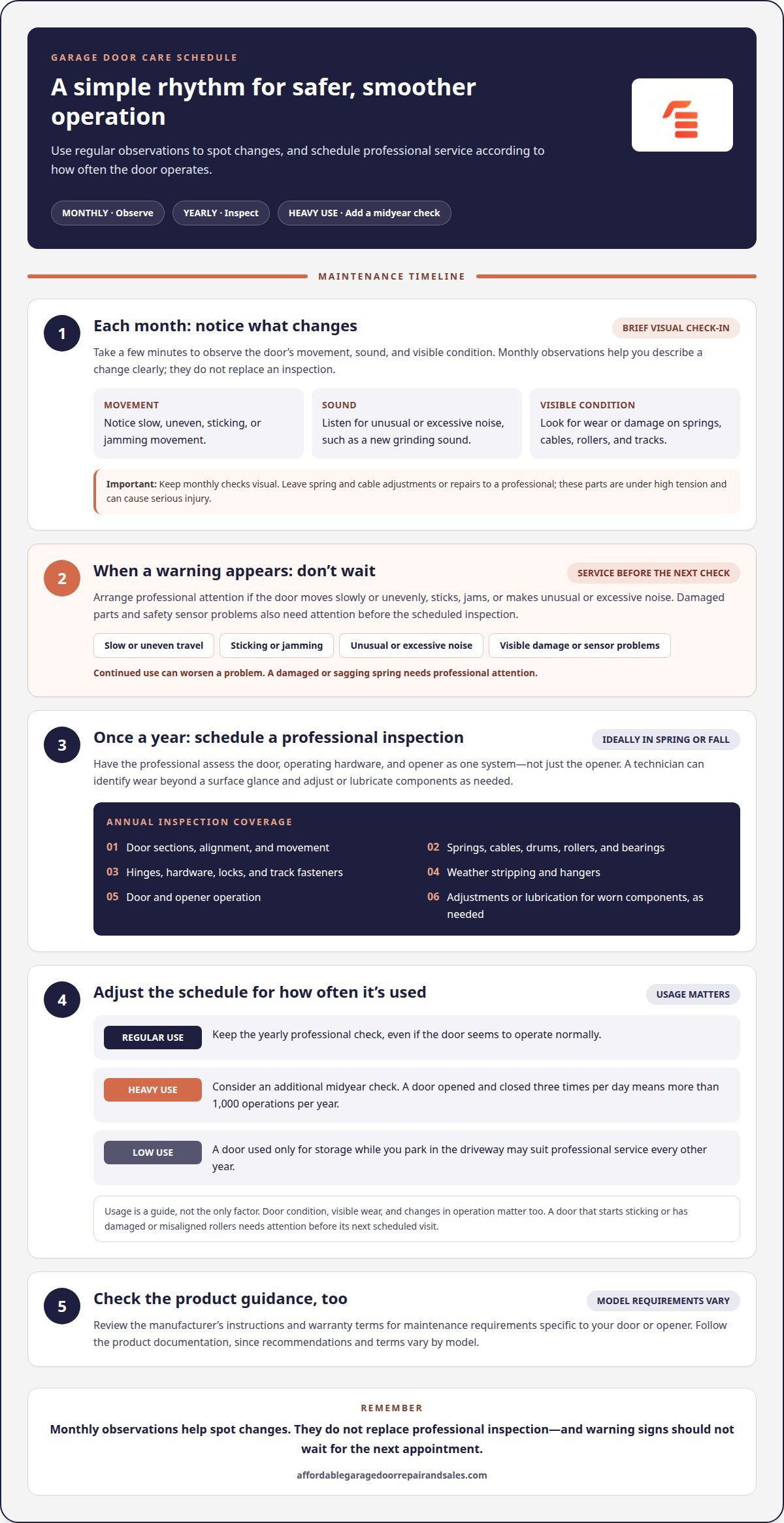
An annual check is a good baseline, but it may not be the whole maintenance plan. If you’re wondering how often a garage door should be serviced, arrange a professional inspection once a year, ideally in spring or fall. Heavy use may call for an additional midyear check. Brief monthly observations can help you spot changes between visits.
It’s easy to focus on the door itself, but the opener and moving parts also affect how safely and smoothly the system operates. This guide explains when to inspect your garage door, what an annual check should cover, and which signs call for professional service. You’ll also learn what you can observe yourself and why springs and cables should be handled by a professional.
Key Takeaways
- Set a yearly maintenance check as your baseline, and adjust the schedule for how heavily the door is used.
- Use brief monthly check-ins to spot changes in movement, sound, or visible condition before they worsen.
- Know which warning signs call for professional attention rather than waiting for the next scheduled inspection.
- Learn which door and opener components belong on an annual inspection checklist, and which high-tension parts should be left to a professional.
How often should I perform a garage door maintenance check?
Schedule a professional garage door inspection at least once a year, ideally in spring or fall. Add a midyear check if the door gets heavy use. Between visits, take a few minutes each month to notice changes in movement, sound, or visible condition. A loose fastener or unusual noise may be easier to address before it develops into a larger repair.
The manufacturer’s instructions and warranty terms may specify maintenance requirements for your door or opener. Review the product documentation and follow its care guidance, since recommendations and terms vary by model.
Don’t wait for the annual appointment if the door starts moving slowly or unevenly, sticks, jams, or makes unusual or excessive noise. Damaged parts or safety sensor problems also need attention before the scheduled check. These changes may signal a problem with the door or opener, and continued use can worsen it.
- Look over springs and cables during monthly visual check-ins; visible damage, wear, or a sagging spring needs professional attention.
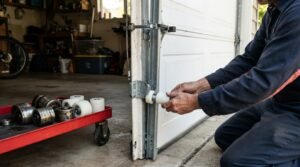
- Notice roller movement and track condition during monthly checks; damaged or misaligned rollers can affect smooth travel.
- Have springs, cables, rollers, and tracks included in the annual professional inspection; a trained assessment can identify wear beyond a surface glance.
- Leave spring and cable adjustments or repairs to a professional; these components are under high tension and can cause serious injury.
Routine maintenance can help reduce the need for major repairs or replacement. During a service visit, a professional can assess worn components and adjust or lubricate them as needed. Monthly observations don’t replace an inspection, but they help you describe a change clearly, such as a new grinding sound or uneven movement.
Recommended annual garage door maintenance frequency
Plan professional maintenance around how often the door is used. A door that opens and closes several times a day generally needs an annual check, while heavy use can justify an additional midyear visit. A door used only for storage, while the homeowner parks in the driveway, may need service every other year. Usage matters more than age alone.
Daily use adds up quickly. Opening and closing a door three times per day means more than 1,000 operations per year. Each cycle moves the door, rollers, cables, springs, and opener, so frequent operation gives moving parts more opportunities to wear. A garage door lasting 15-20 years may complete more than 20,000 opening-and-closing cycles.
- Track frequent household use: A door opened repeatedly for family members or multiple vehicles experiences more cycles, making a midyear check-in sensible.
- Consider low-use storage doors: If the door stays closed because you park in the driveway, every-other-year professional service may suit that lighter workload.
- Note changes after busy periods: Repeated daily use can expose new rattling, uneven movement, or slower travel, which helps identify wear between appointments.
- Keep the annual schedule for regular use: A door used several times daily still needs yearly service, even if it seems to operate normally.
Usage is a useful guide, but it isn’t the only factor. The door’s condition, visible wear, and changes in operation also matter. For example, a heavily used door with damaged or misaligned rollers needs attention before its next scheduled visit. A lightly used door that starts sticking shouldn’t wait for the next year. Adjust the plan when operation changes, rather than relying on usage alone.
If frequent operation reveals worn or damaged cables, arrange garage door cable replacement rather than waiting for routine maintenance. A focused repair addresses the specific component showing wear.
Recommended annual professional maintenance
Arrange a professional inspection once a year, preferably in spring or fall. Choosing a regular season makes the appointment easier to remember and gives it a place in your yearly maintenance plan. If the door gets heavy use, a midyear check can help assess wear between annual visits. A technician can identify components needing adjustment or lubrication and distinguish routine wear from damage that requires repair.
A professional inspection should cover the door and its operating hardware, not just the opener. The technician can assess alignment, movement, and the condition of connected components. This broader review matters because a door that looks sound from the outside may still have worn rollers, loose hardware, or cable wear. Addressing worn components as needed can help reduce the need for major repairs or replacement.
- Inspect door sections and alignment, because damage or misalignment can affect the door’s travel.
- Assess springs, cables, drums, rollers, and bearings, because these moving or tension-bearing parts affect operation.
- Check hinges, hardware, locks, and track fasteners, because loose or worn connections can affect stability.
- Review weather stripping and hangers, because deterioration or looseness can call for maintenance.
- Operate the door and opener, because changes in movement can reveal issues that a visual review alone may miss.
- Adjust or lubricate worn components as needed, because timely maintenance can help limit further wear.
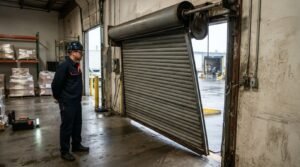
Spring or fall is a convenient reminder for annual maintenance, not a reason to delay service when a problem appears. A door that sticks, moves unevenly, or develops unusual noise needs attention before its next seasonal appointment. For a sectional or roll-up door, the professional check should consider how the entire assembly moves, not just the opener. Record the appointment season and any changes you notice to help keep maintenance consistent each year.
Garage door and opener inspection components
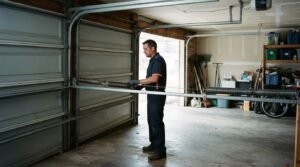
A useful inspection considers the door, its hardware, and the opener as one operating system. Each part contributes to smooth movement, so a problem with one component can affect the others. A professional inspection can include these checks:
- Inspect door sections for cracks or damage, because a compromised panel can affect door movement.
- Check alignment, hinges, hardware, and track fasteners, because loose or shifted parts can disrupt travel.
- Assess springs, cables, drums, rollers, and bearings, because these components support movement and carry tension.
- Wipe down the tracks and look for debris, because buildup can interfere with rollers moving through the track.
- Apply a light coating of garage door-specific lubricant to hinges, rollers, and springs, not WD-40, to lubricate moving contact points.
- Inspect the bottom weather seal for cracks, brittleness, or missing sections, because damaged seals should be replaced.
- Operate the opener and check its safety sensors, because malfunction or inconsistent operation needs attention.
Two functional checks can reveal issues a visual review may miss. During a block-of-wood test, the door should automatically reverse when it contacts the obstruction. A professional can also assess its balance: when lifted manually to about halfway, the door should stay in place. If it slams shut or flies open, arrange service. Don’t adjust springs or cables yourself; their high tension can cause serious injury.
Keep the inspection focused on observable changes, such as a damaged roller, worn cable, or opener that fails to respond. A door that won’t open or close fully, grinding noises, or misaligned rollers also calls for professional attention. For a garage door safety inspection, arrange a professional assessment of the door and opener components.
Affordable Garage Door Repair & Sales LLC: Sectional & Roll-Up Doors
Affordable Garage Door Repair & Sales LLC services sectional and roll-up doors and can repair issues identified during an inspection. If a spring is broken or damaged, spring repair addresses the problem; if the opener malfunctions, opener replacement can restore operation. A door that has come off track also needs professional attention, so don’t continue using it.
Use the inspection findings to explain what you’ve noticed, such as uneven movement, a door that won’t open, or an unresponsive opener. Clear observations help identify the appropriate repair. Springs and cables are under high tension, so leave their repair to a trained professional rather than attempting an adjustment yourself.
For help with a sectional or roll-up door, spring repair, or opener replacement, contact Affordable Garage Door Repair & Sales LLC.
Make Your Maintenance Notes Useful
A maintenance plan is more useful when you keep a simple record. Note each inspection date, changes in movement or sound, and whether an issue returns. These details provide a clear starting point for a repair conversation. Detailed upkeep logs are also an asset when preparing a home for sale, where resources like Pay It Forward Realty help homeowners list on the MLS while saving on commissions. Knowing how often a garage door should be serviced is just one part of planning; a record can help connect changing symptoms to the component that needs attention.
Keep your notes with the opener’s product information so both are easy to find when a concern arises. If an inspection identifies a spring or opener problem, Affordable Garage Door Repair & Sales LLC provides spring repair, broken spring repair, and opener replacement. These services address mechanical issues that routine observation alone can’t resolve.
Contact Affordable Garage Door Repair & Sales LLC to discuss a garage door concern and the appropriate next step. A clear record and professional attention can help you move forward with confidence.
Frequently Asked Questions
What Does Maintenance Include?
Routine maintenance combines a visual review with checks of the door’s movement and the opener’s response. It can include examining panels, track fasteners, hinges, rollers, cables, springs, the weather seal, and safety sensors. Worn parts may need adjustment or lubrication. For example, a technician can note a frayed cable and assess alignment instead of focusing only on opener noise.
How often should a residential garage door be professionally serviced?
For a regularly used residential door, arrange professional maintenance once a year; heavy daily use may warrant a midyear visit. A door used only for storage may need service every other year. These intervals are starting points. New grinding noises, uneven travel, or opener failure call for attention before the next planned appointment. The door’s manual may also provide maintenance guidance specific to its model.
How often should homeowners inspect and lubricate a garage door?
Make a brief visual and operating check each month. Look for new noises, uneven travel, visible wear, or loose hardware. Lubrication isn’t a blanket monthly task: apply garage-door-specific lubricant to hinges, rollers, and springs as needed, following the door or opener manual. Avoid WD-40 for these components. Leave cable and spring adjustments to a professional.
What does routine garage door maintenance include?
Routine upkeep can include clearing visible debris from tracks, checking the bottom seal for cracks, and observing whether the opener responds consistently. A professional can assess balance, fasteners, rollers, cables, and safety reversal. Keep a short note of changes, such as a remote that works intermittently. A specific, repeatable symptom helps focus the maintenance visit.
Can homeowners safely service a garage door, and which tasks require a professional?
You can observe the door’s movement, keep tracks clear of debris, and note visible damage, but don’t repair or adjust springs or cables. These components carry high tension and can cause serious injury. Leave balance corrections, frayed cable repairs, spring replacement, and opener faults to a garage door professional. A door that hangs unevenly or behaves unpredictably needs prompt assessment.
What are the risks of neglecting garage door maintenance?
If wear goes unaddressed, the door may begin moving unevenly, sticking, or failing to open or close, leaving the entrance unusable. A failing sensor or damaged roller can compromise safe, reliable operation. Continued use may strain connected parts and make the problem worse. Visible damage, unusual grinding, or a broken spring calls for professional attention.